Homemade Pomegranate Molasses
A pantry staple made the simple way: pomegranate juice slowly reduced until it turns into a deep, syrupy molasses. Add sugar only if your pomegranates are sour — sweet ones need nothing but patience and low heat.
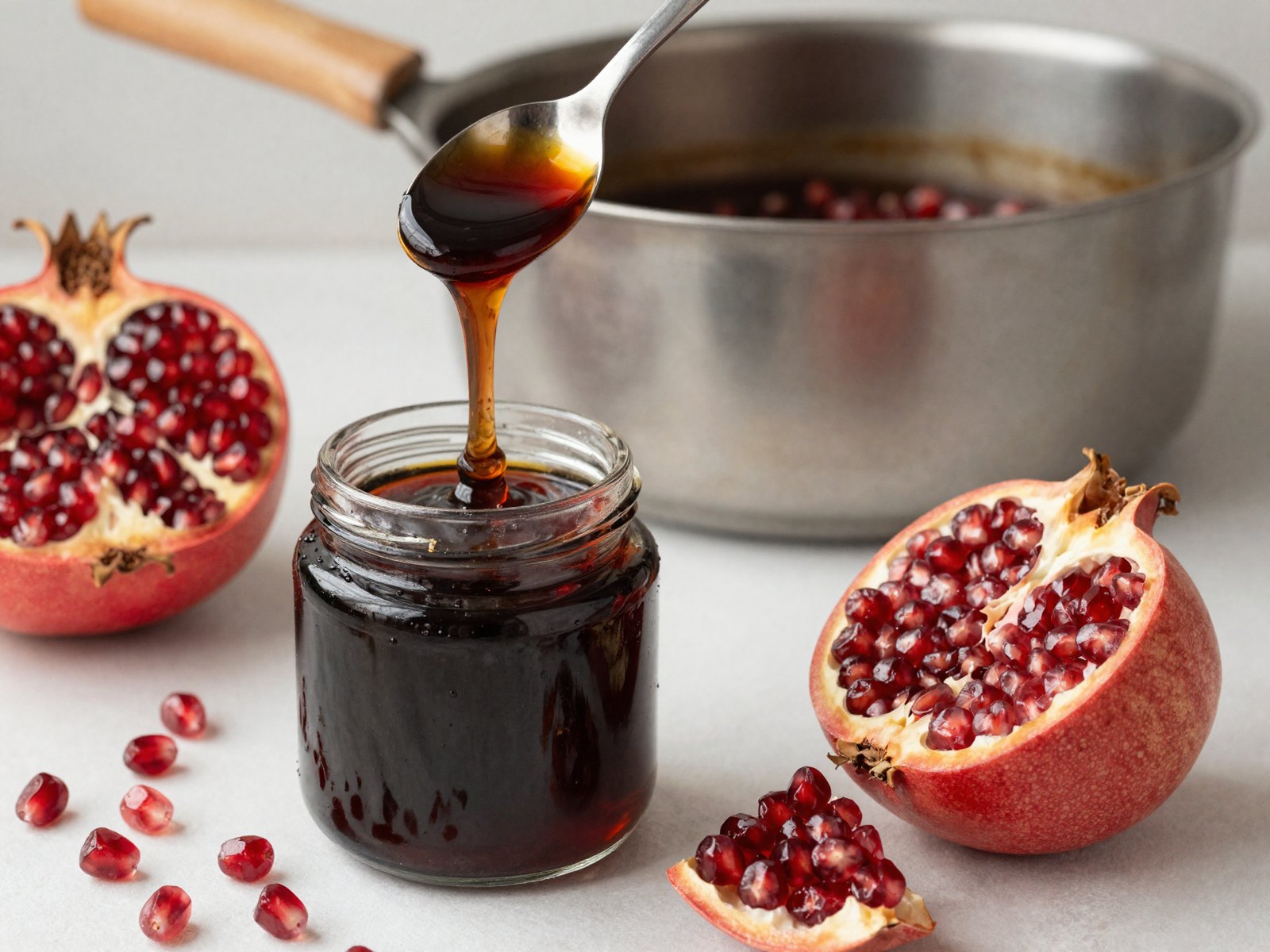
Pomegranate molasses is among the most prized things made in a Levantine kitchen, and making it at home is simpler than it seems: pomegranate juice cooked slowly until it thickens into a dark, glossy syrup. Sugar is added only if the fruit is sour, giving you a pure molasses that lends salads and stews a deep, distinctive tartness.
How to Prepare
Blend the pomegranate seeds, then strain to extract the juice.

Pour the juice into a wide pot and bring to a gentle boil.

If the pomegranate is sour, stir in the sugar; if it is naturally sweet, leave it out.

Simmer on low heat, stirring occasionally, until the juice reduces and thickens to a glossy syrup that coats the spoon.

Cool completely — it thickens more as it cools — and store in a clean jar.

Made it? Rate this recipe
Stop cooking while the syrup still feels a touch thin — it sets considerably as it cools, and over-reducing makes it bitter.
Ingredient Swaps
Use ready-made unsweetened pomegranate juice instead of fresh seeds to save time. | Add a little lemon juice to lift the tartness if the fruit is sweet. | Use brown sugar instead of white for a slightly deeper flavour.
Common Questions
How do I know the molasses is ready?
When it coats the back of a spoon and turns thick like honey, keeping in mind it thickens further as it cools.
How long does it keep?
Stored in a sealed glass jar it lasts for months in the fridge.
Why did my molasses burn?
High heat is the cause; cook it over low heat, stirring especially towards the end.
When do I add the sugar?
Only if the fruit is sour, and at the start of cooking.
What do I use pomegranate molasses for?
In salads, fattoush, stuffed vegetables and stews to add a distinctive tartness.
More from the Kitchen
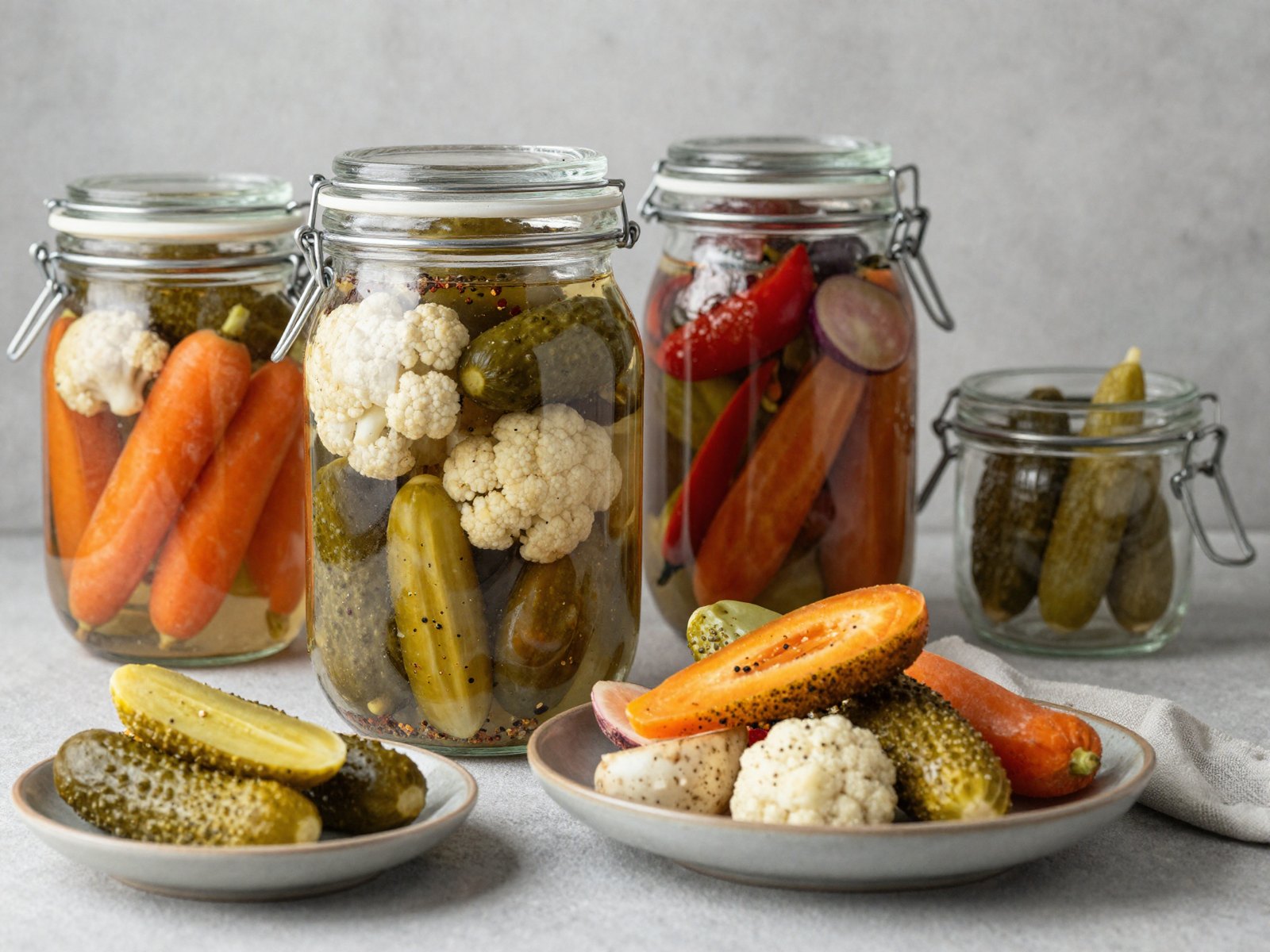
Mixed Cocktail Pickles
A foolproof mixed pickle — red cabbage, carrot, cauliflower and cucumber in a perfectly balanced brine that turns out right the very first time.
Read Recipe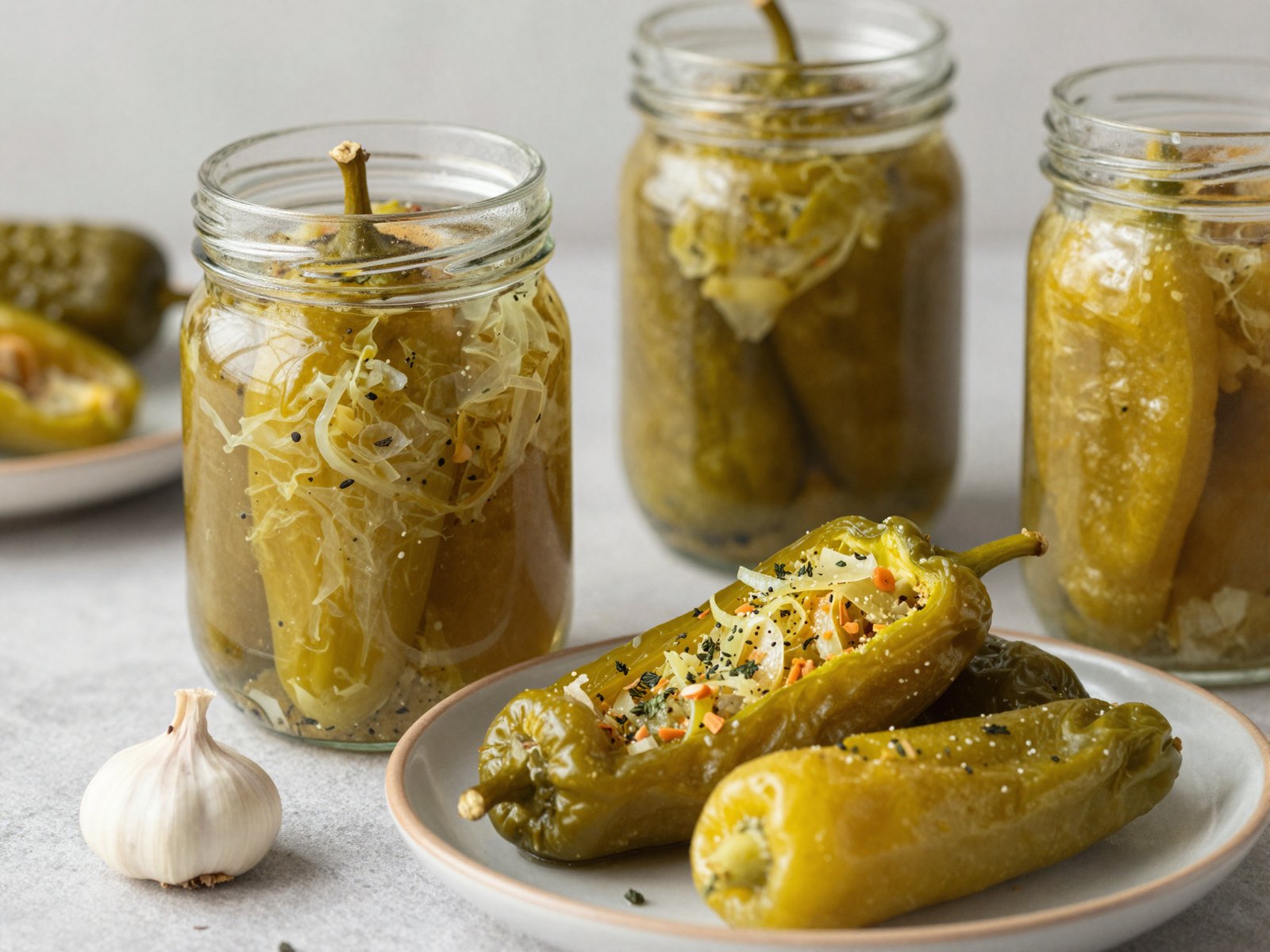
Stuffed Pepper Pickles
How to make Stuffed Pepper Pickles: Crunchy peppers stuffed with a garlicky parsley filling and pickled in a simple vinegar brine.
Read Recipe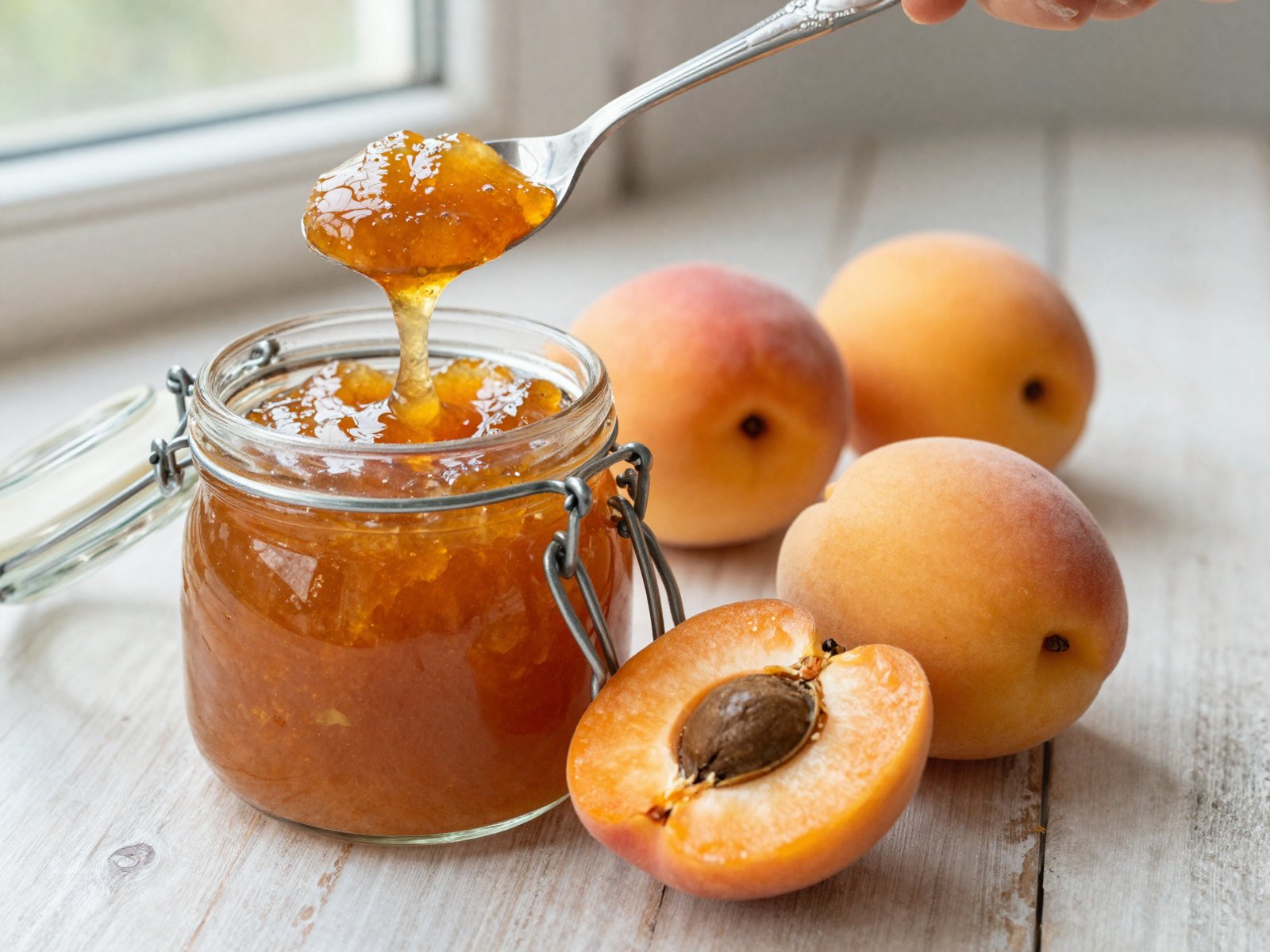
Apricot Jam
How to make Apricot Jam: Three ingredients only — ripe apricots, sugar and a squeeze of lemon — for a glossy homemade jam.
Read Recipe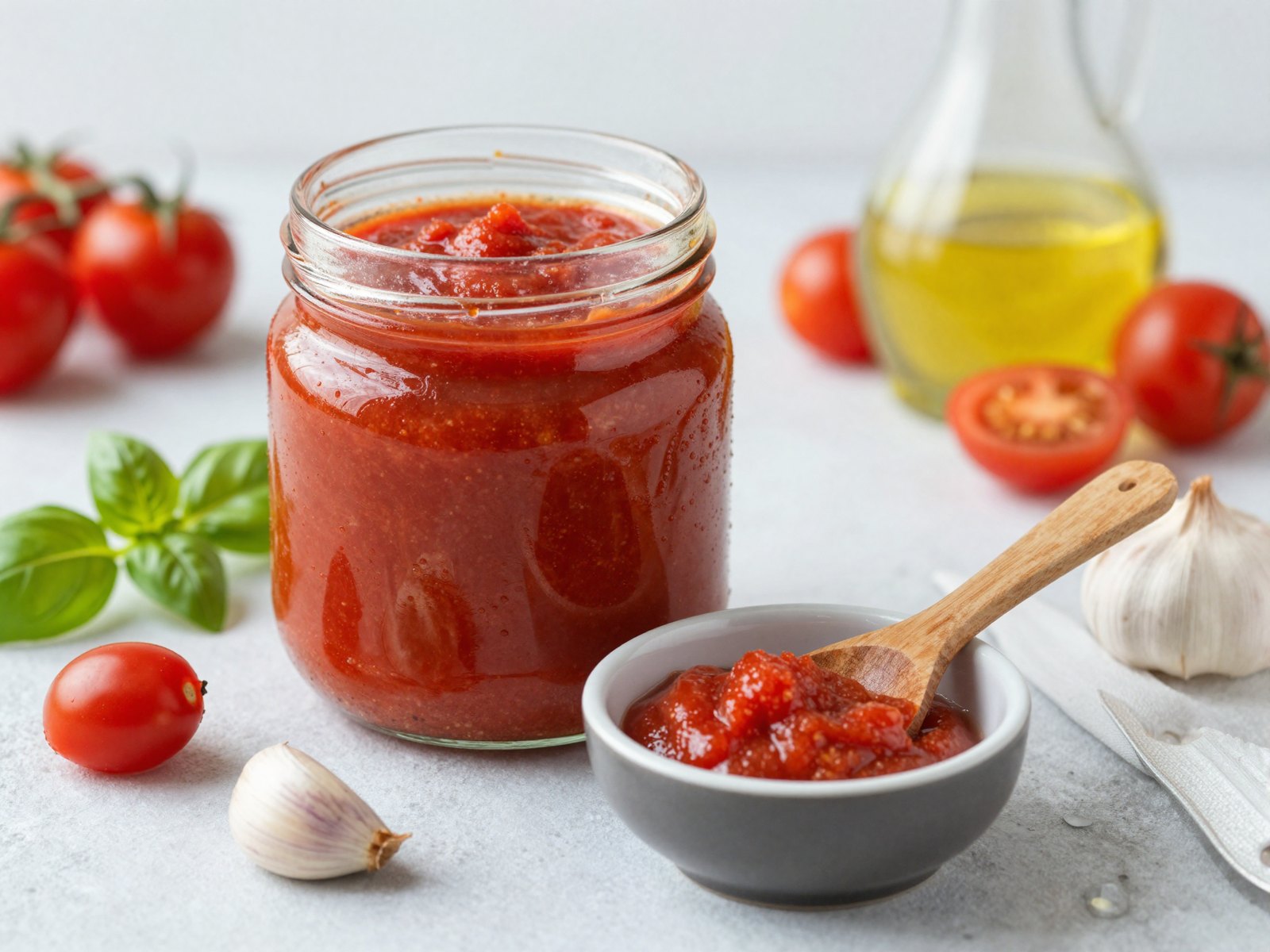
Homemade Pizza Sauce
How to make Homemade Pizza Sauce: The pizza sauce behind every pie on this site — tomato, garlic and oregano, ready in minutes and keeps two weeks.
Read Recipe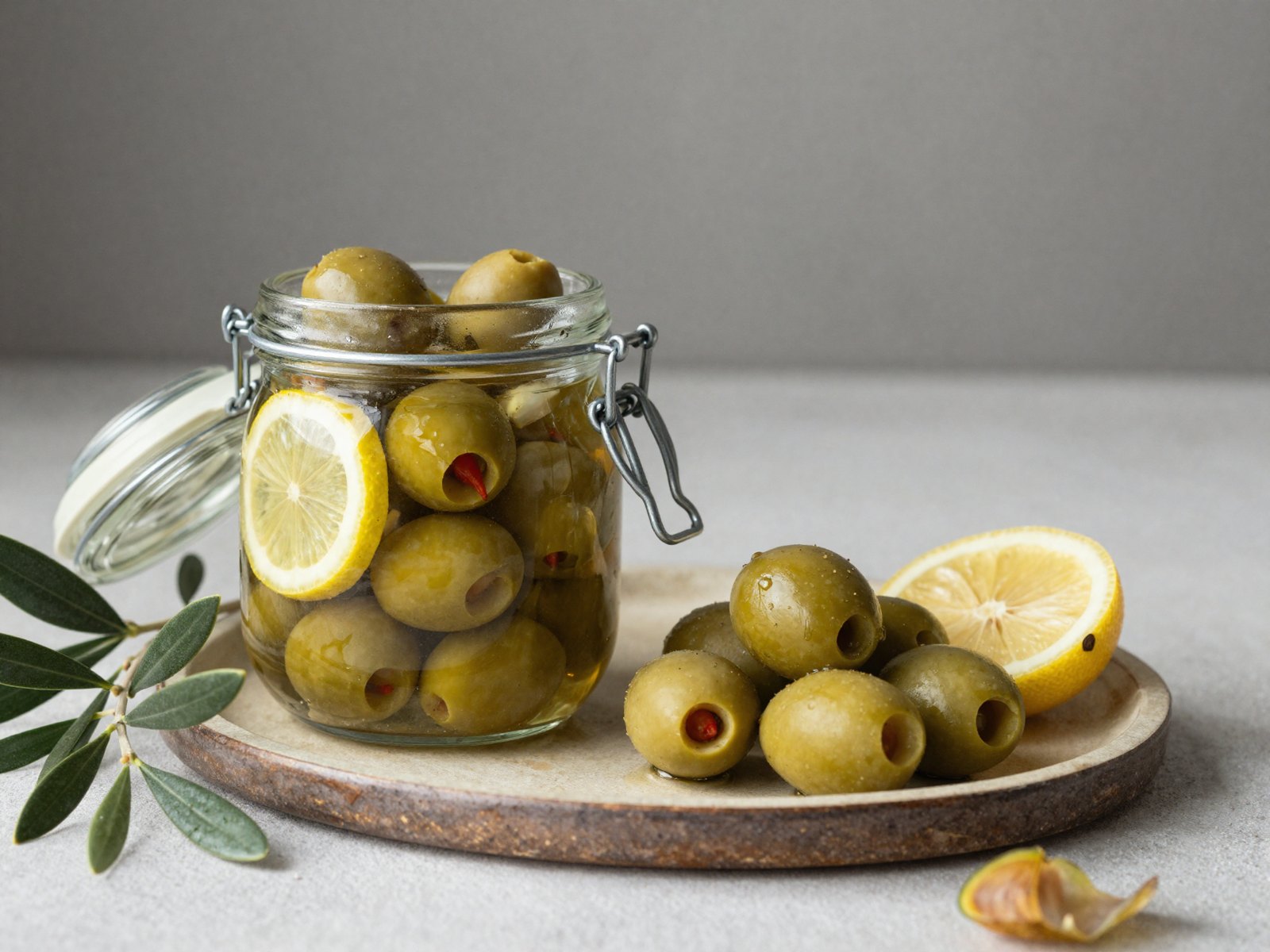
Cured Green Olives
How to make Cured Green Olives: The exact brine ratios for olives that stay crisp all year — salt, a touch of sugar and lemon salt for colour and bite.
Read Recipe
Homemade Indian Naan Bread
Soft, pillowy Indian naan made from a simple yeasted yogurt dough and cooked in a hot pan — perfect alongside curries.
Read Recipe