Apricot Jam
Chef Noor turns a kilo of ripe apricots into a glossy, spoonable jam with nothing more than sugar and a squeeze of lemon. Slow maceration draws out the fruit juices, and a gentle simmer brings it to that perfect jammy set.
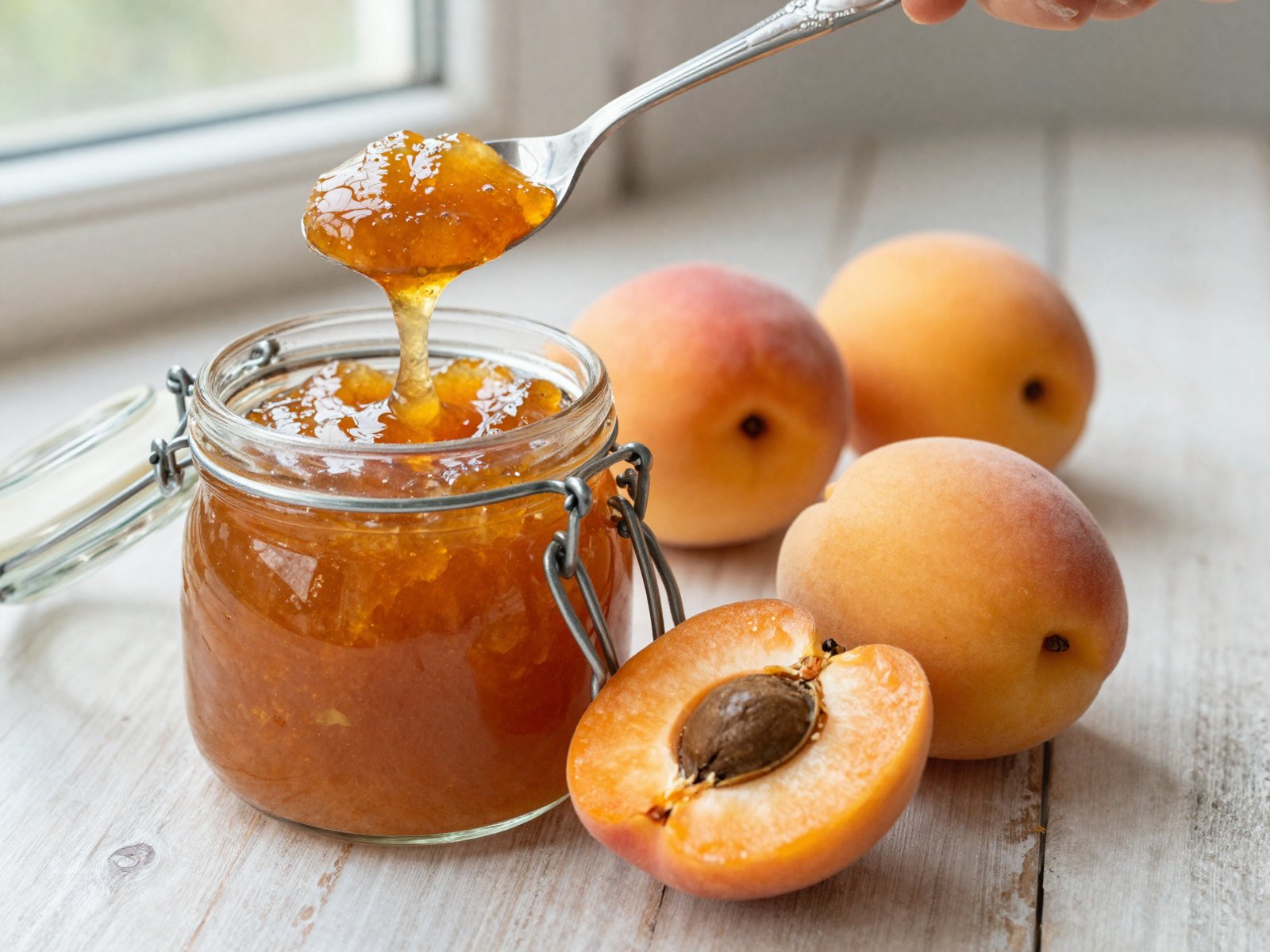
When apricot season arrives, turning ripe fruit into jam is one of the simplest ways to hold on to its flavour all year round. This recipe asks for just three things — apricots, sugar and a squeeze of lemon — plus a little patience while it thickens. Macerating the fruit in sugar before cooking draws out its natural juices, giving a jam that is deep amber in colour and set to a soft, spreadable consistency.
How to Prepare
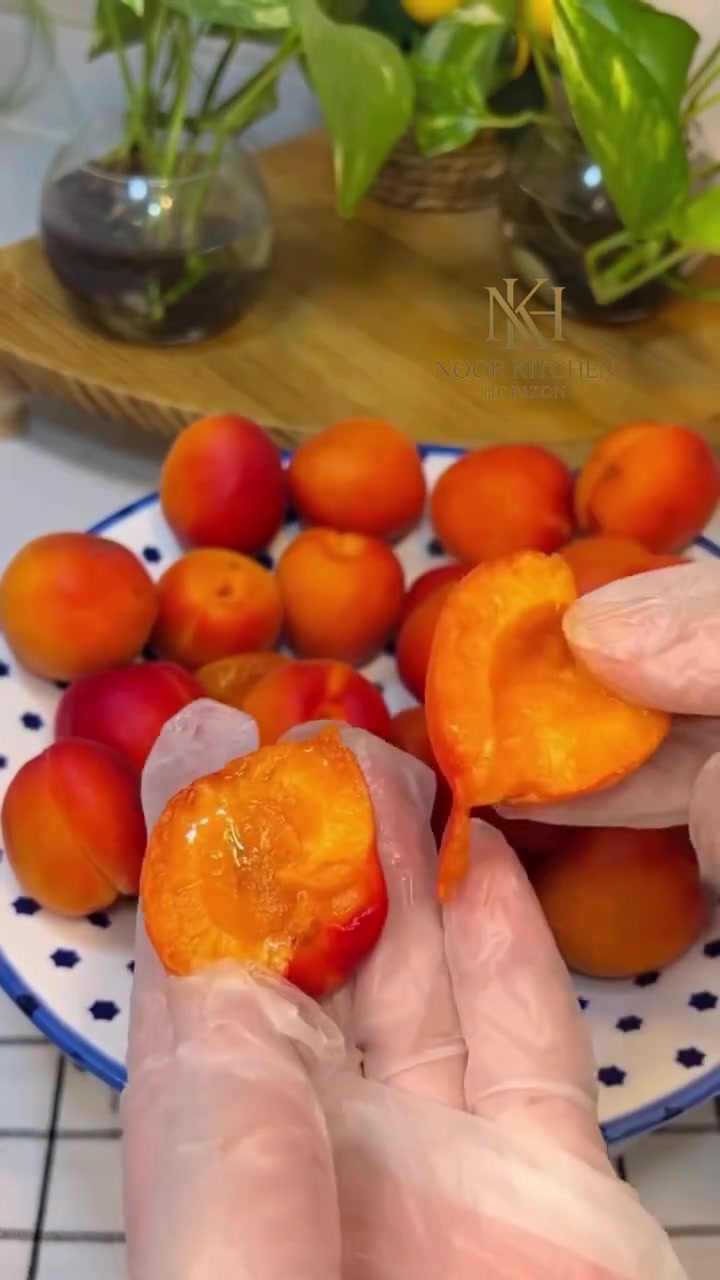
Wash the apricots well, remove the pits and halve them.
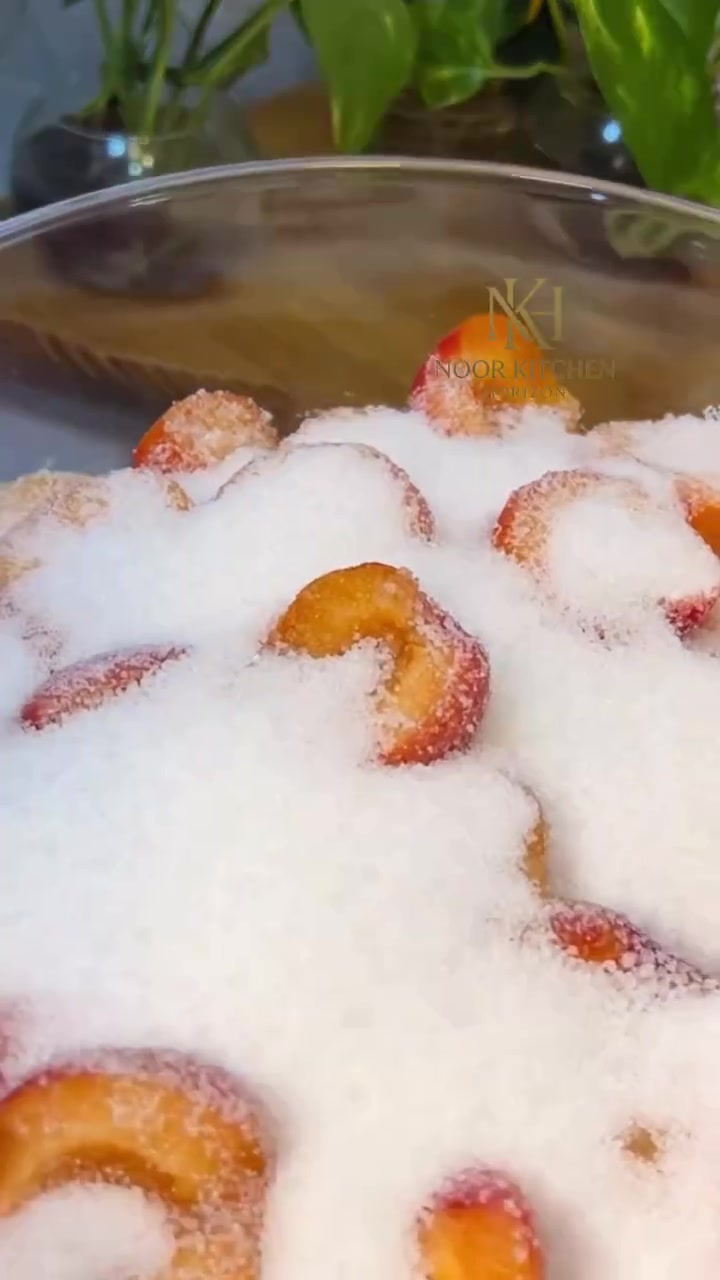
Place the apricots in a bowl, pour the sugar over them and leave to macerate until the sugar dissolves and the juices release (2 hours, or overnight in the fridge).
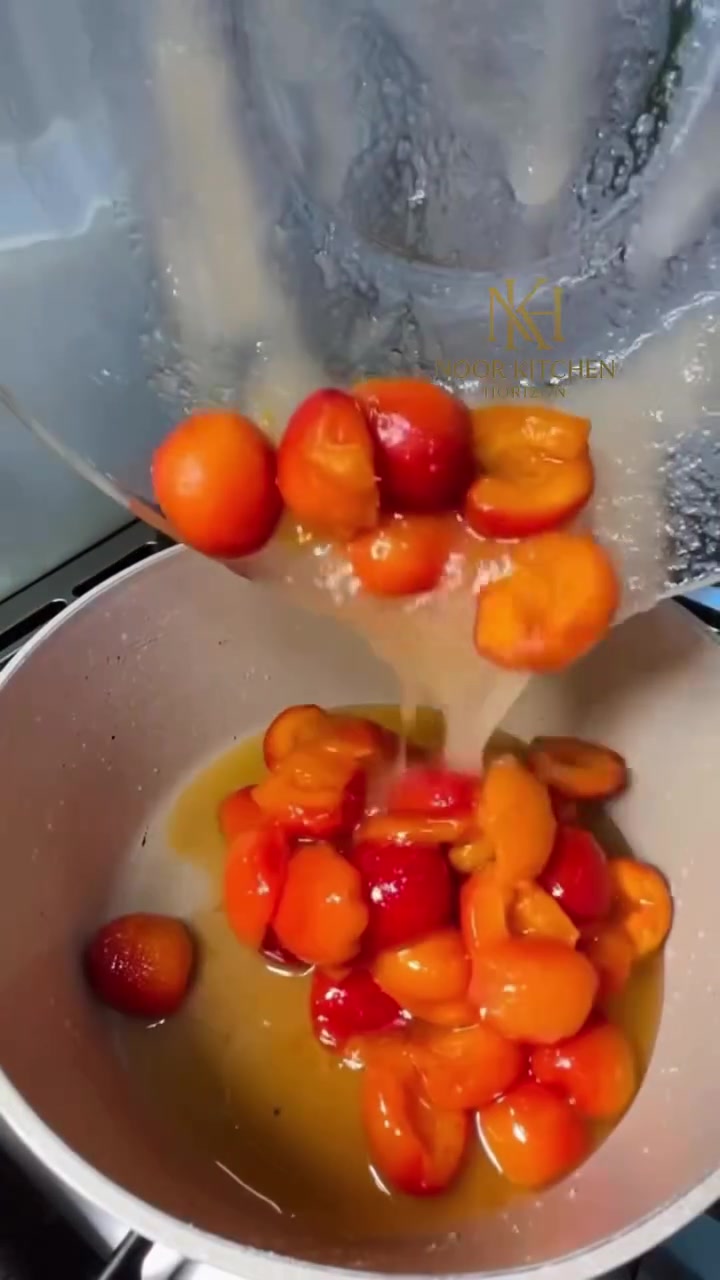
Transfer to a wide pot and cook over medium heat, stirring regularly.
Skim off any foam that rises, and keep cooking until the jam thickens (30–40 minutes).
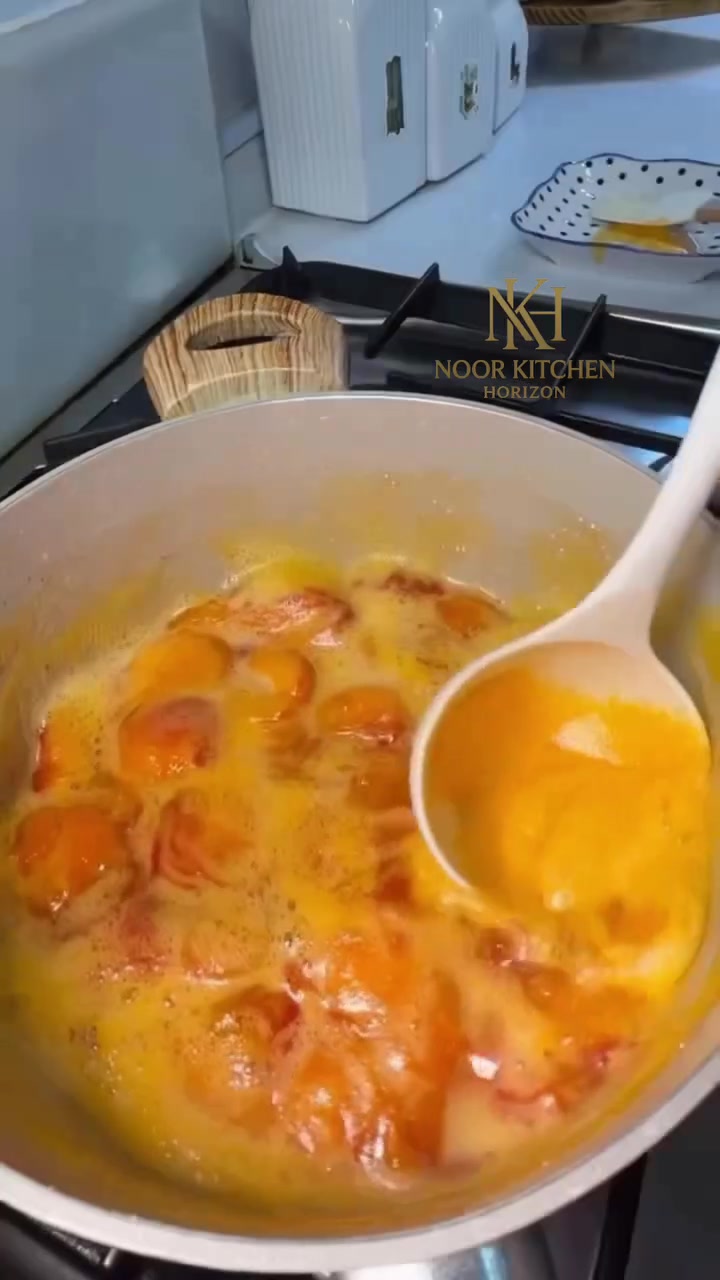
Stir in the squeeze of lemon during the last 5 minutes.
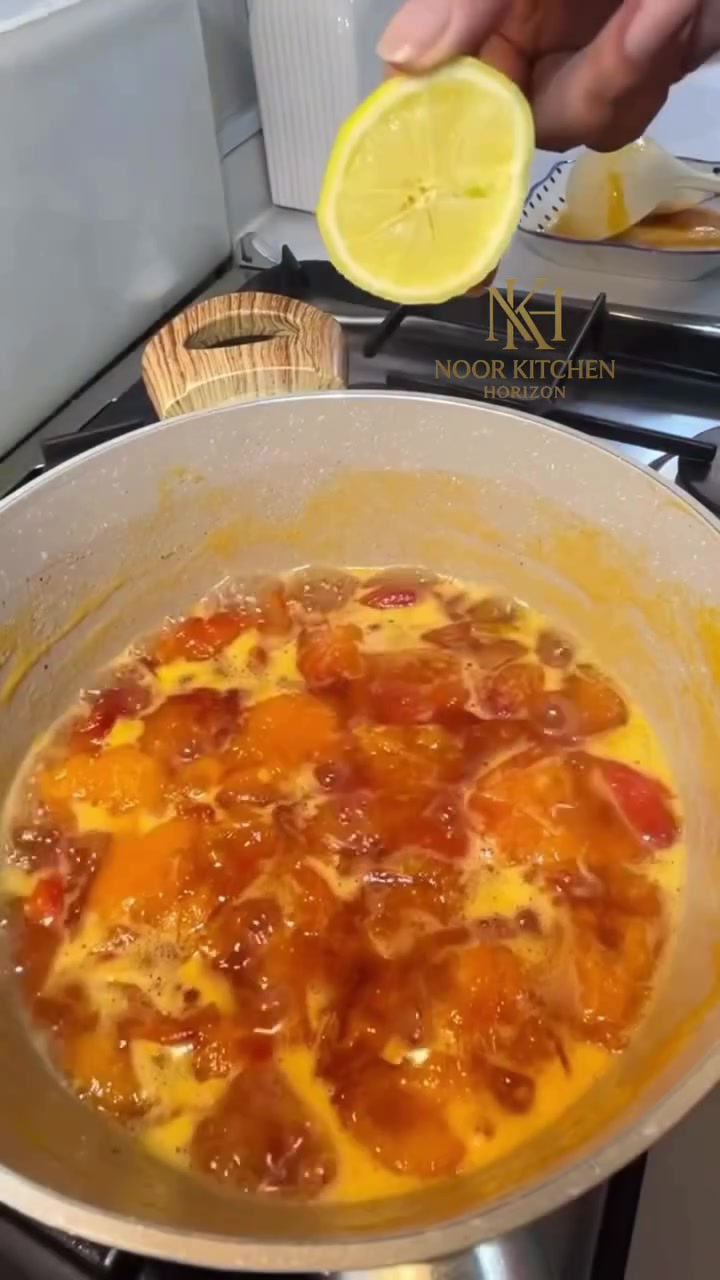
Test the set: drop a little jam on a cold plate — if it wrinkles when pushed, it is ready.
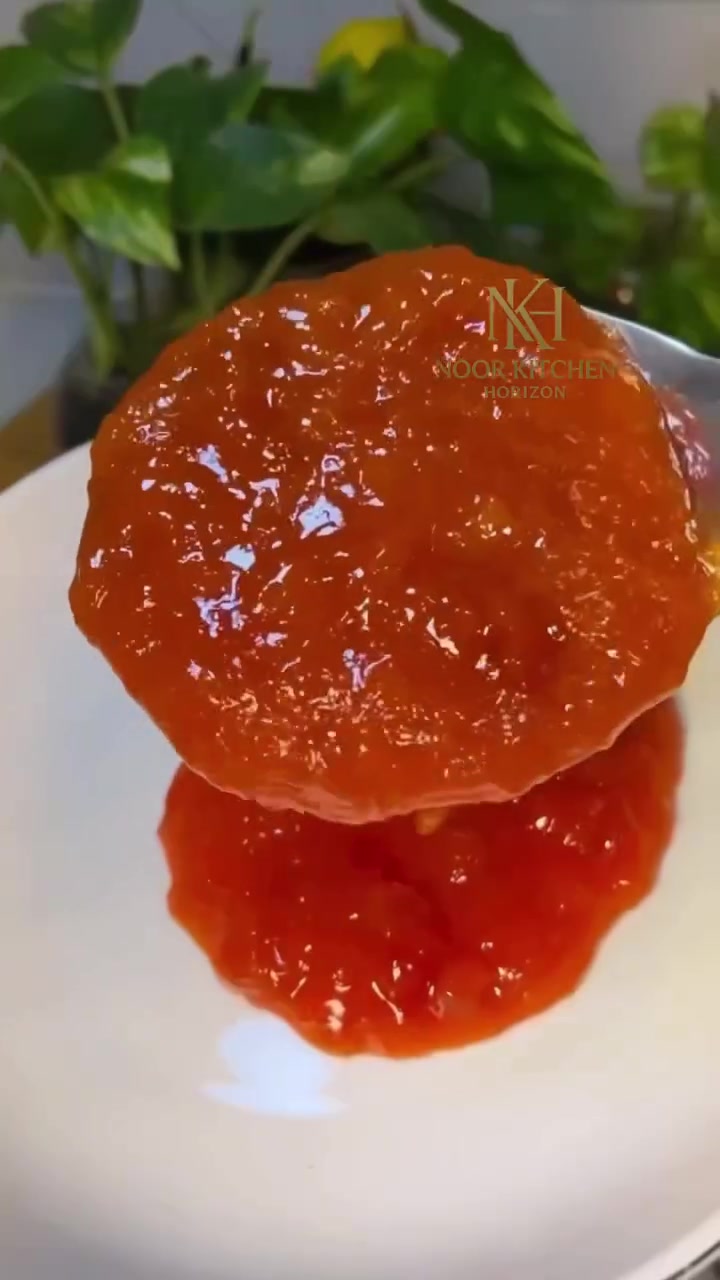
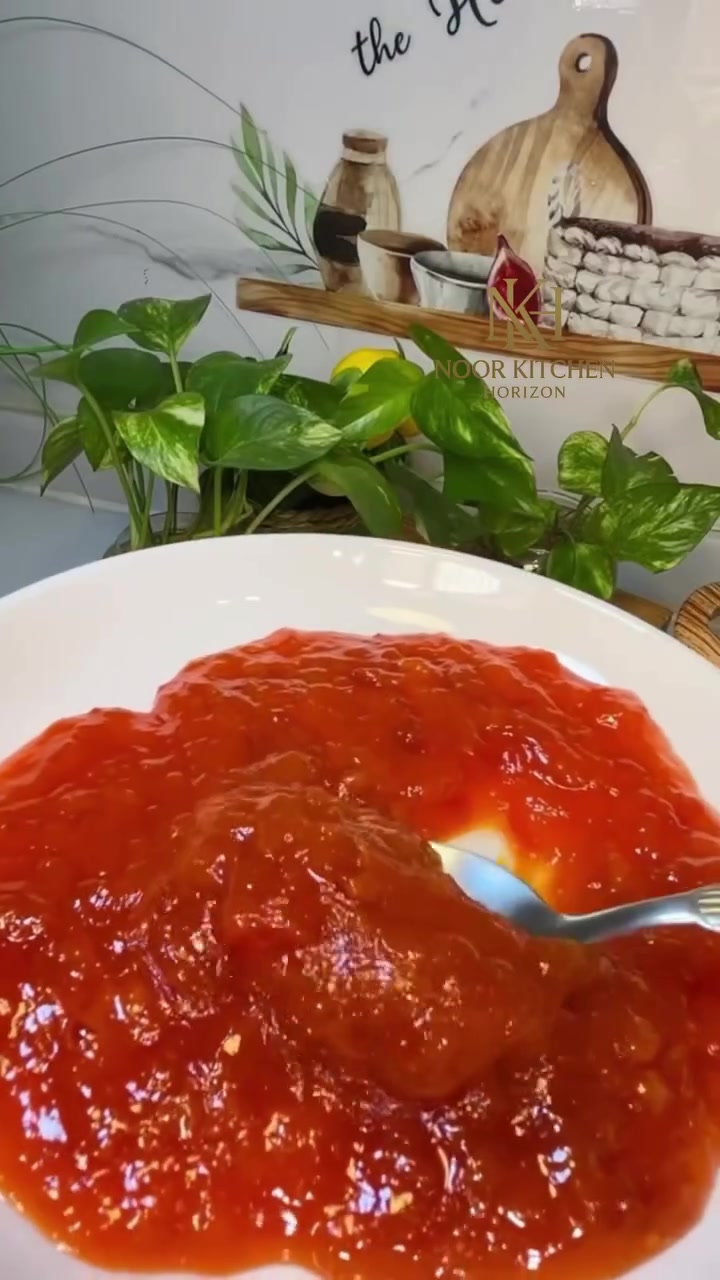
Pour the hot jam into sterilised jars, seal tightly and let them cool upside down.
Made it? Rate this recipe
Keep the sugar at half the weight of the fruit — the jam stays bright and fruity, and the lemon at the end balances the sweetness and helps the set.
Ingredient Swaps
For a firmer set, add a few slightly under-ripe apricots to the ripe ones — they carry more natural pectin.
The sugar can be adjusted to how sweet your apricots are; using a little less gives a tarter jam but shortens how long it keeps.
If you have no fresh lemon, a small pinch of citric acid does the same job of balancing acidity and helping the jam set.
Common Questions
Why macerate the apricots in sugar first?
It dissolves the sugar and draws out the fruit's natural juices, shortening the cooking time and giving a better set.
What does the lemon juice do?
It balances the acidity and helps the jam set, while cutting through the sweetness of the sugar.
How do I know the jam has reached the right consistency?
Put a drop on a cold plate; if the surface wrinkles when you push it with a finger, it is ready.
Why skim off the foam while cooking?
Removing the foam that rises to the top gives a clearer jam with a purer colour.
How should I store it, and for how long?
Pour it hot into sterilised jars, seal tightly and let them cool upside down, then keep in a cool, dark place.
More from the Kitchen
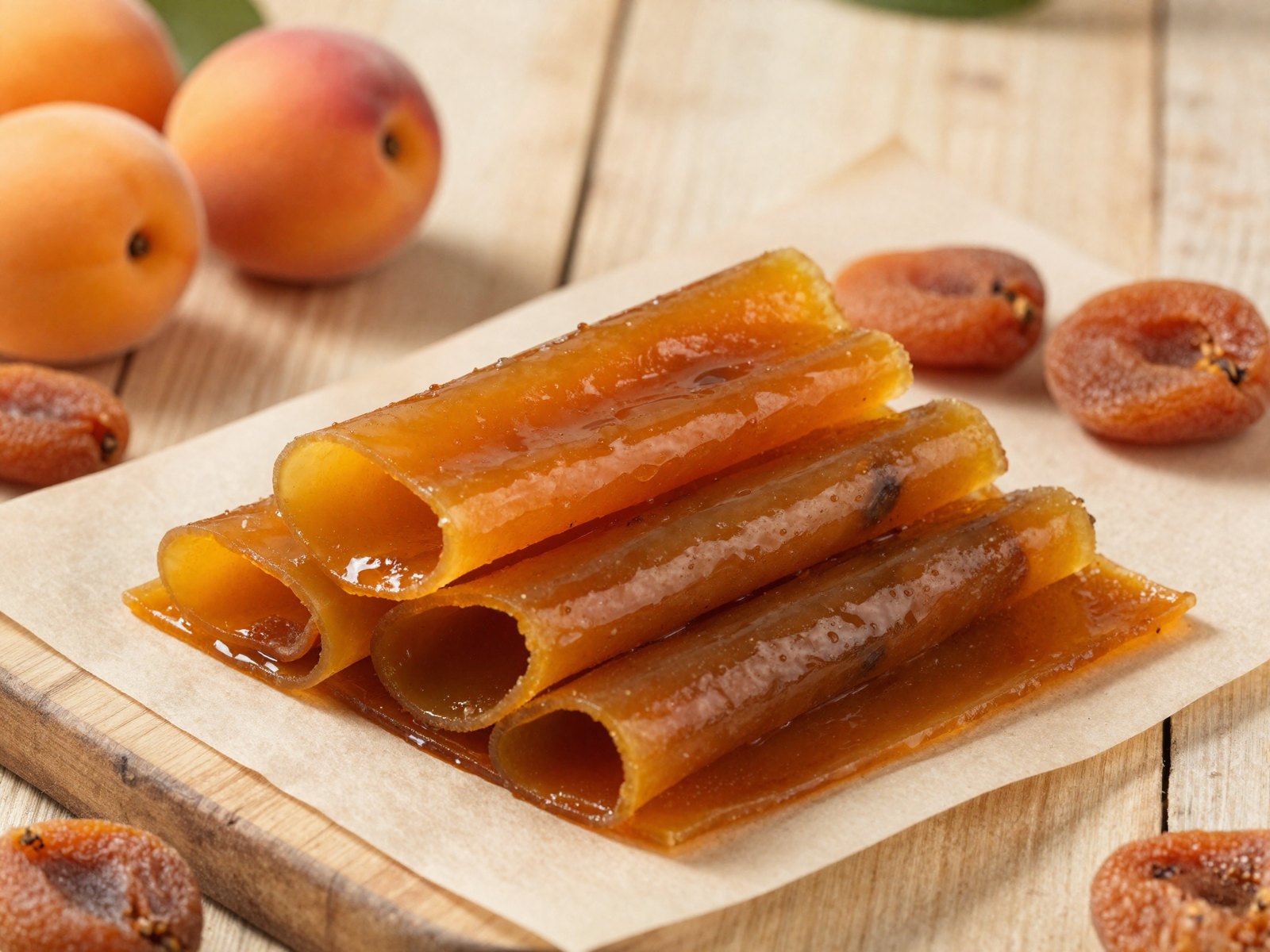
Qamar al-Din (Apricot Leather)
Homemade qamar al-din: pureed apricots cooked and dried into a sweet fruit leather, perfect for juice and desserts.
Read Recipe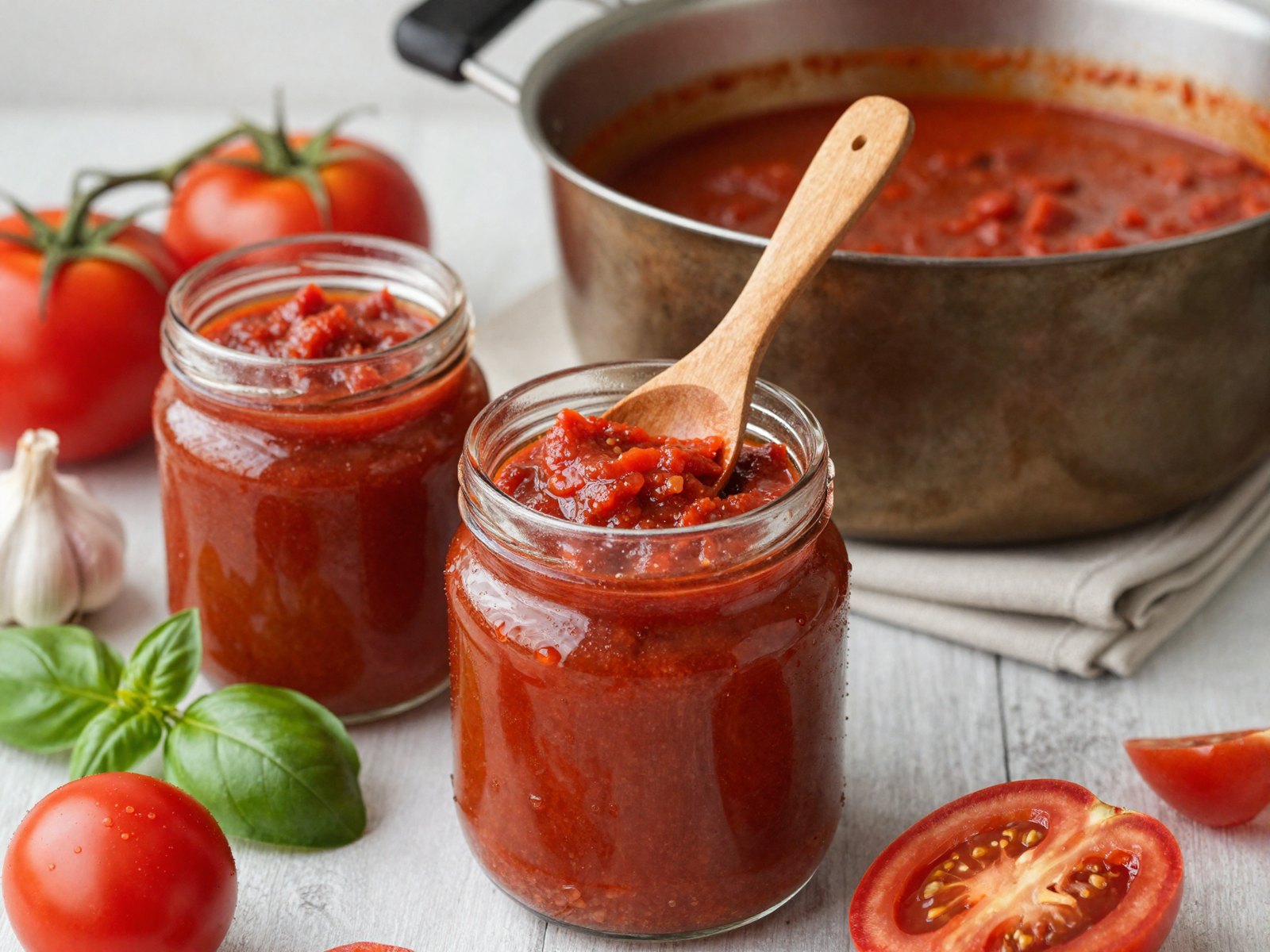
Homemade Concentrated Tomato Sauce
A rich homemade tomato sauce to replace canned versions — make it when tomatoes are cheap and freeze it for months of cooking.
Read Recipe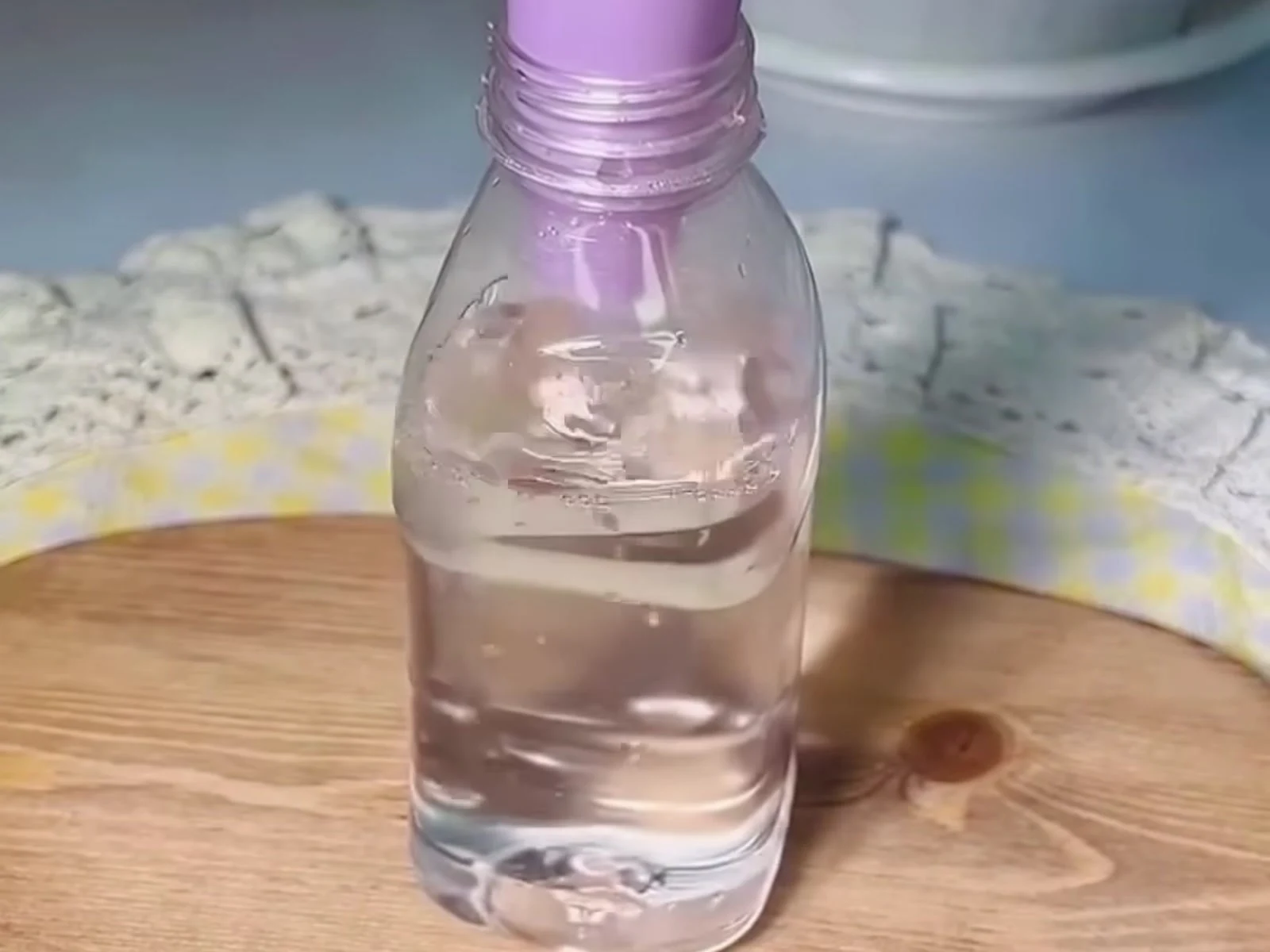
Concentrated Homemade Rose Water
How to make concentrated rose water at home: just two ingredients and the upside-down lid trick with ice — distil pure, fragrant rose water in half an hour, no equipment needed.
Read Recipe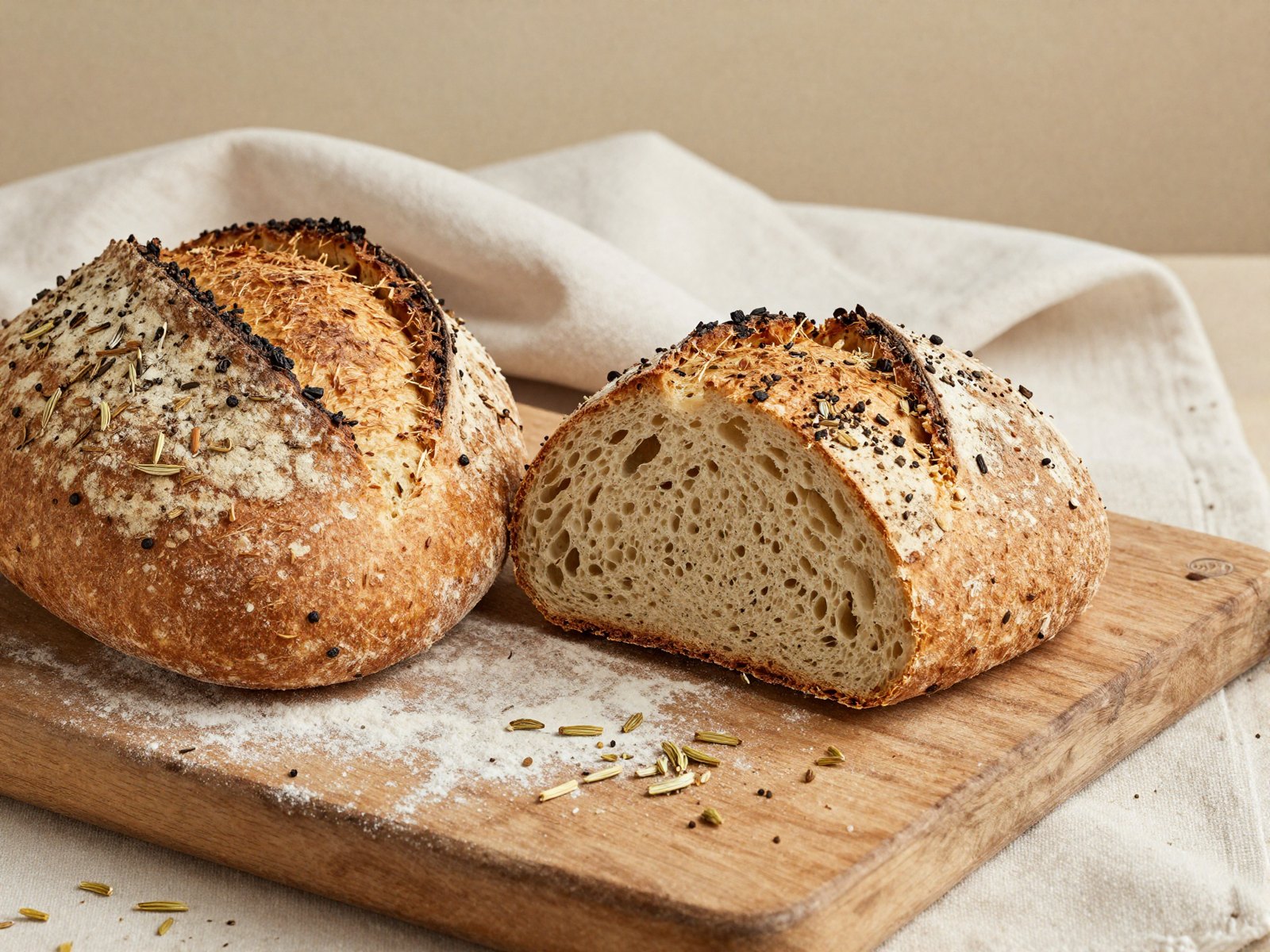
Whole Wheat Fennel Bread
How to make Whole Wheat Fennel Bread: A rustic round of wheat bread perfumed with fennel and olive oil — soft crumb, golden seeded crust.
Read Recipe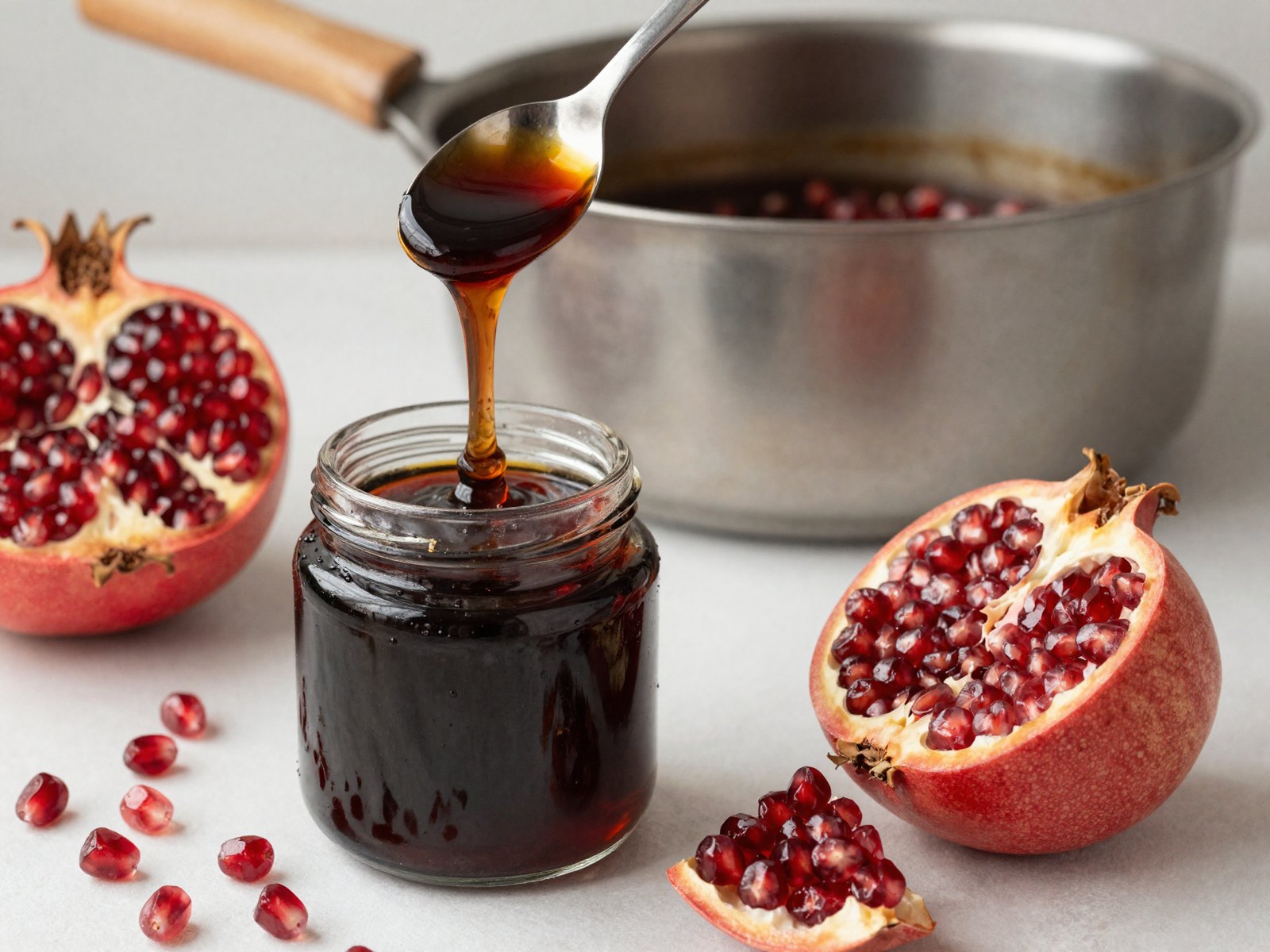
Homemade Pomegranate Molasses
How to make Homemade Pomegranate Molasses: Turn fresh pomegranates into a thick, glossy molasses — the tangy-sweet secret behind fattehs, dressings and dips.
Read Recipe
Homemade Indian Naan Bread
Soft, pillowy Indian naan made from a simple yeasted yogurt dough and cooked in a hot pan — perfect alongside curries.
Read Recipe