Qamar al-Din (Apricot Leather)
A classic Ramadan staple you can make at home with just three ingredients.
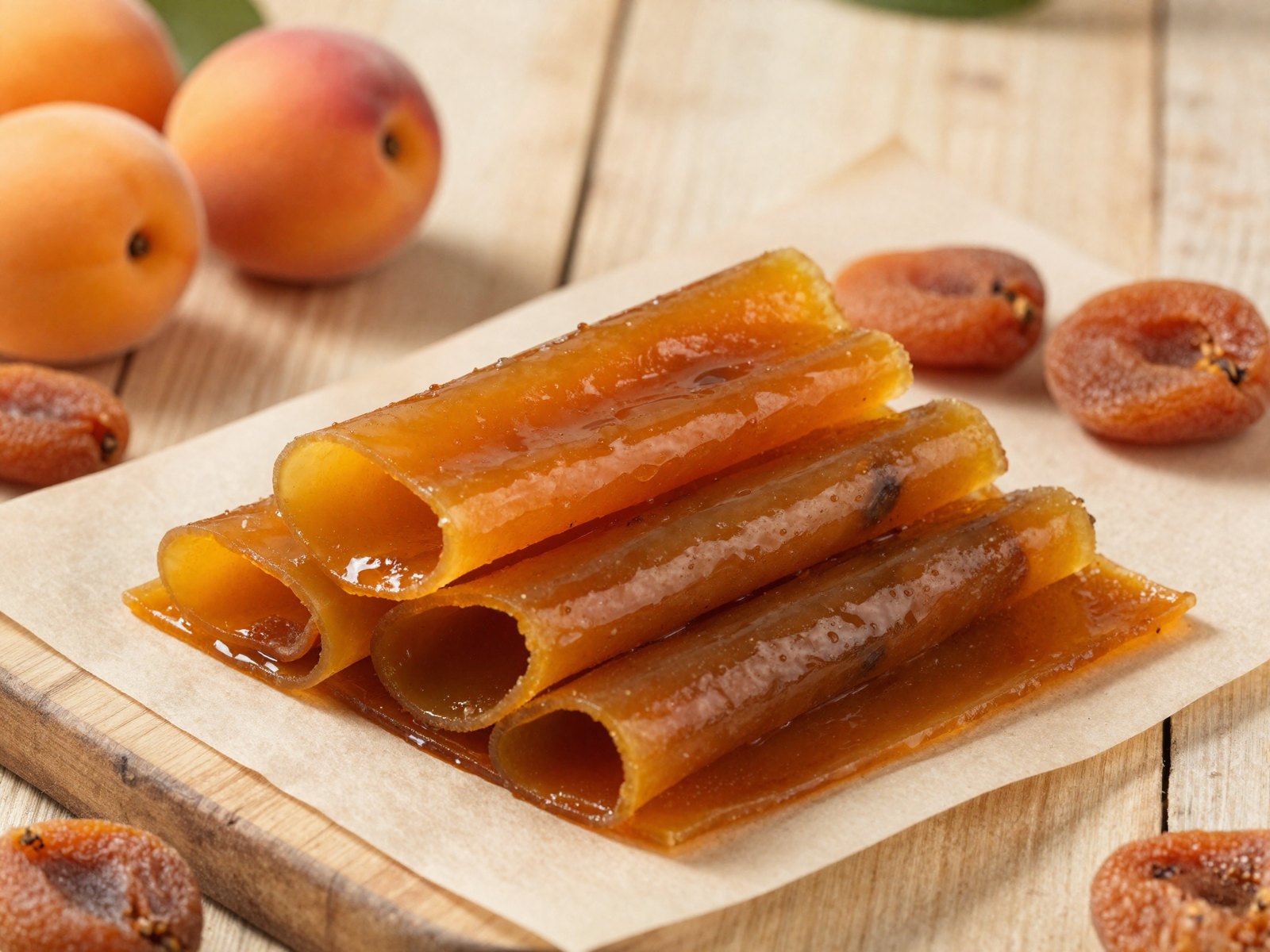
Qamar al-Din is one of those old-fashioned sweets bound up with the Ramadan table — later soaked into a drink, or simply torn off and eaten as fruit leather. This version leans on just three things: apricots, sugar and citric acid, the last keeping the colour bright and helping the sheets last. The whole trick is spreading the puree thin and even, then drying it slowly until it sets and peels away cleanly.
How to Prepare
Wash and pit the apricots, then blend into a smooth puree.

Place the puree in a pot with the sugar and citric acid.

Cook over medium heat for about 15 minutes, stirring, until thickened.

Spread the mixture thinly and evenly on trays lined with plastic.

Dry in the sun for 2 to 3 days, or in the oven for 2 to 3 hours at 70C, until it forms a peelable sheet.

Peel, roll or cut, and store.

Made it? Rate this recipe
Spread the puree as evenly as possible so it dries uniformly without thin spots tearing.
Ingredient Swaps
If the apricots are very ripe and sweet, the sugar can be reduced a little to taste without affecting how the sheets set.
Citric acid can be replaced with fresh lemon juice for the same tartness that keeps the colour bright.
Out of fresh apricot season, ripe frozen apricots work well once thawed and blended.
Common Questions
Why add citric acid?
It adds tartness that preserves the apricots' bright colour and helps the leather keep longer.
How long does drying take?
Two to three days in the sun, or two to three hours in a 70°C oven, until peelable sheets form.
How do I know the mixture is ready to spread?
After about 15 minutes over medium heat, stirring, once it has thickened.
Why spread it on plastic?
So the dried sheets peel off easily without sticking to the tray.
How is qamar al-Din stored?
Peel and roll or cut it, then keep it somewhere dry; it can later be soaked to make the drink.
More from the Kitchen
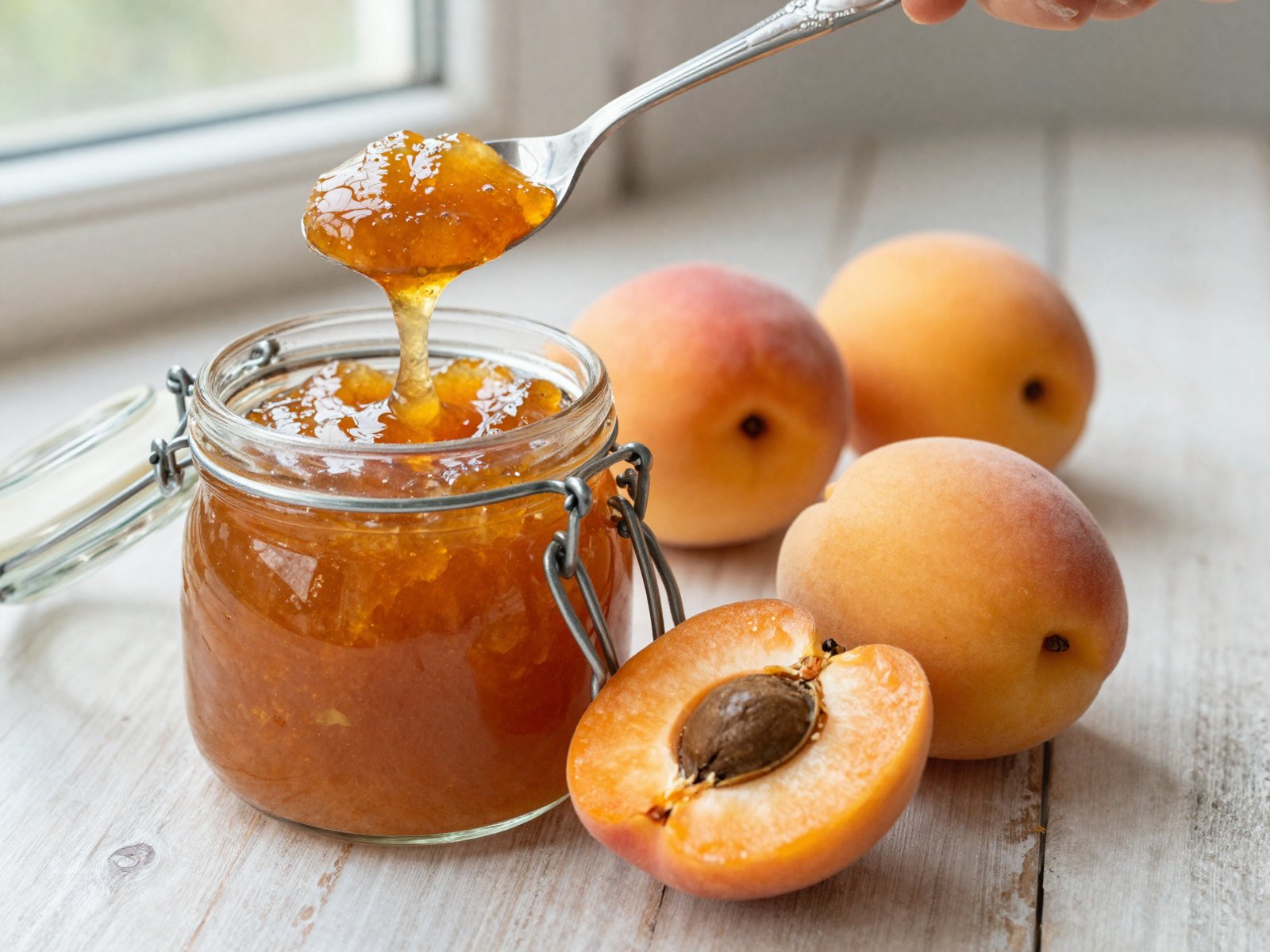
Apricot Jam
How to make Apricot Jam: Three ingredients only — ripe apricots, sugar and a squeeze of lemon — for a glossy homemade jam.
Read Recipe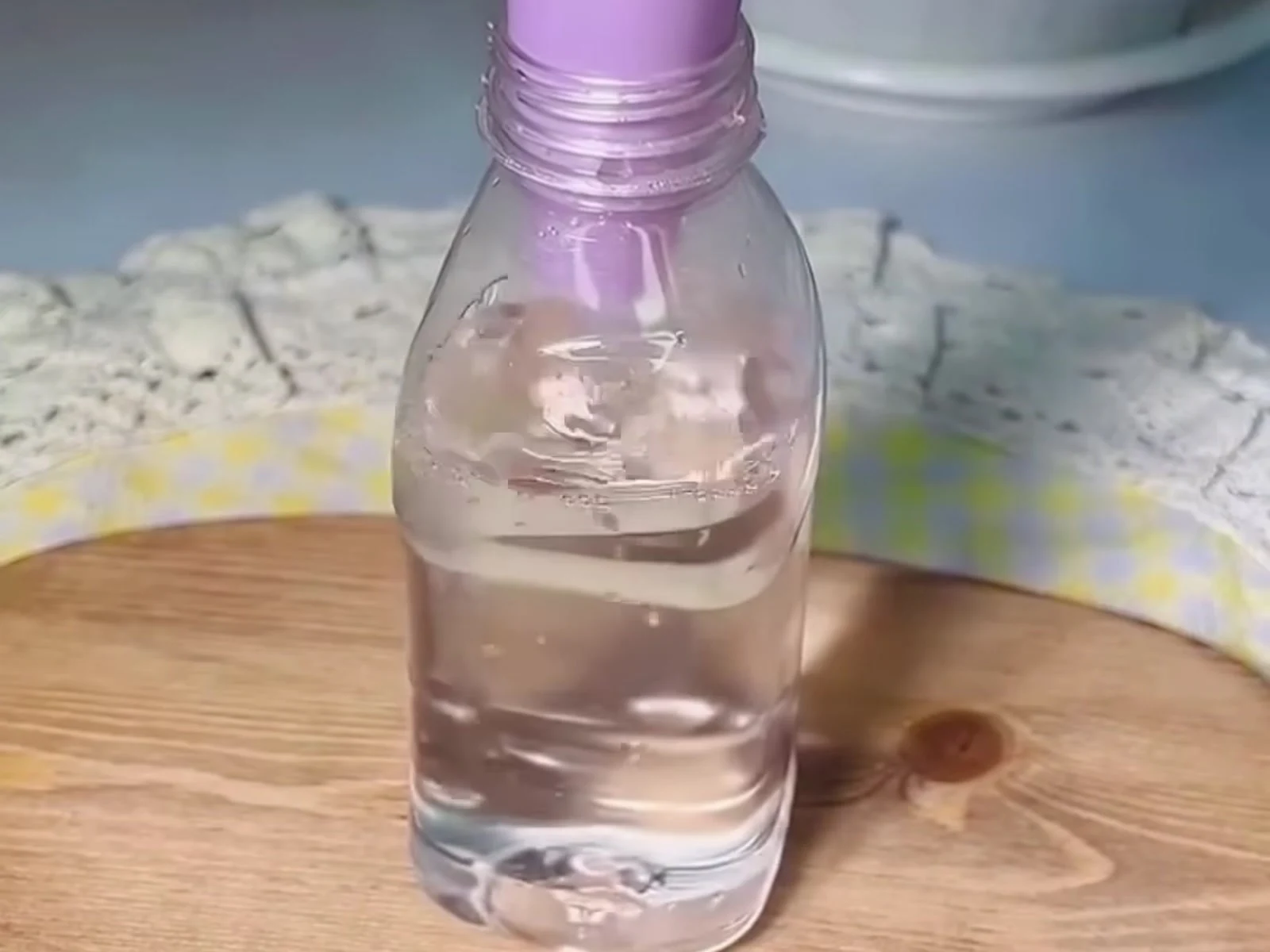
Concentrated Homemade Rose Water
How to make concentrated rose water at home: just two ingredients and the upside-down lid trick with ice — distil pure, fragrant rose water in half an hour, no equipment needed.
Read Recipe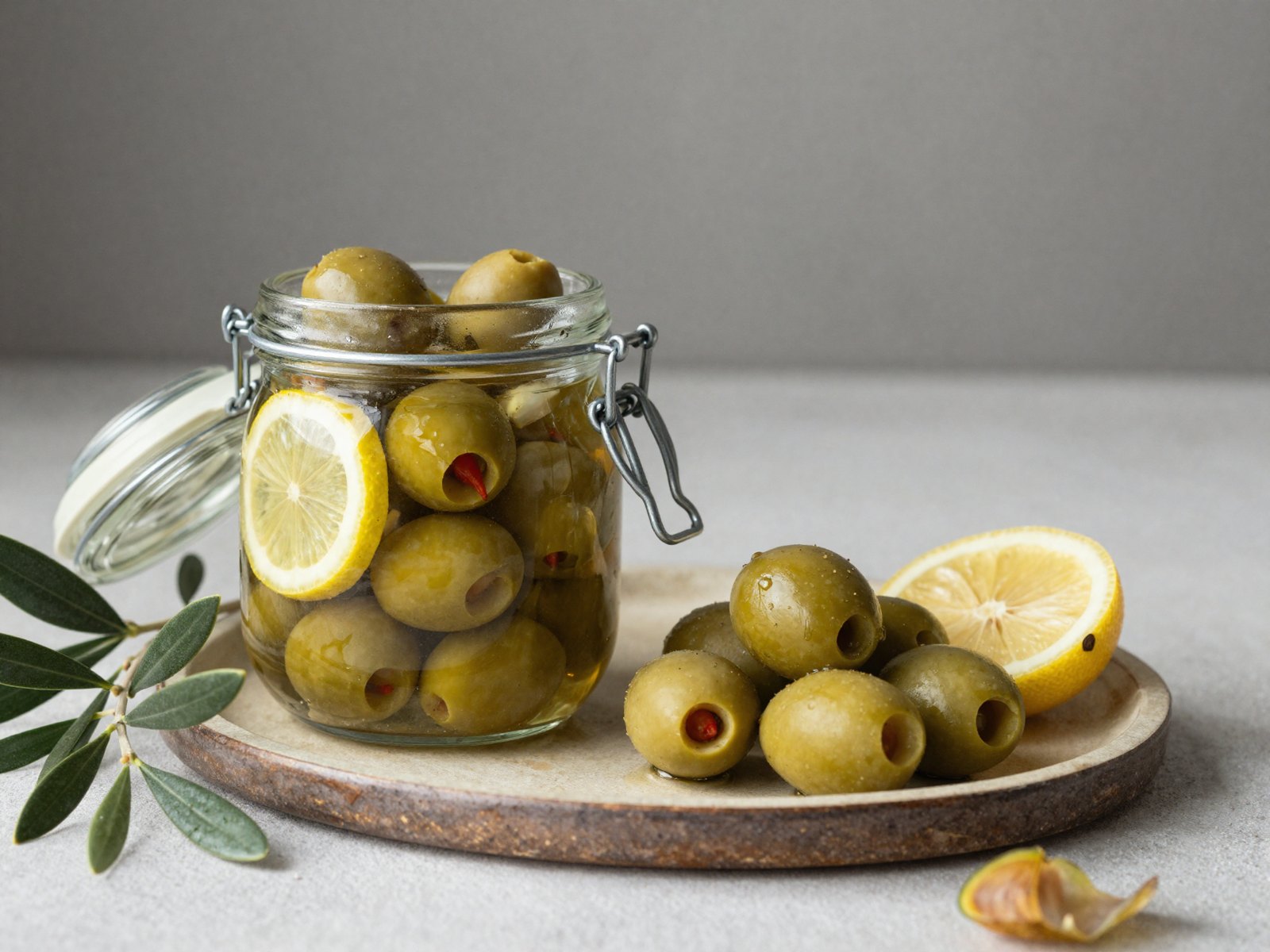
Cured Green Olives
How to make Cured Green Olives: The exact brine ratios for olives that stay crisp all year — salt, a touch of sugar and lemon salt for colour and bite.
Read Recipe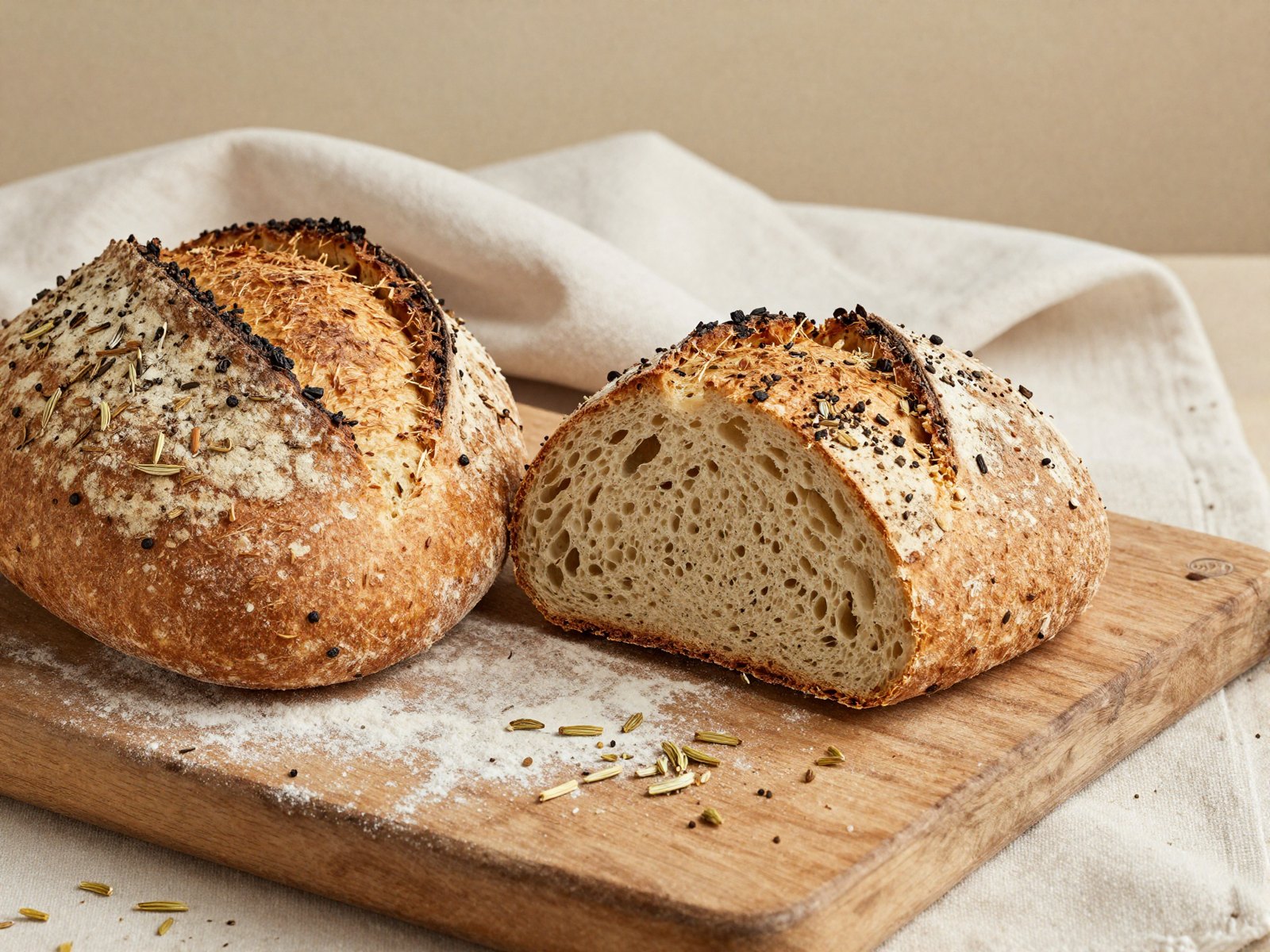
Whole Wheat Fennel Bread
How to make Whole Wheat Fennel Bread: A rustic round of wheat bread perfumed with fennel and olive oil — soft crumb, golden seeded crust.
Read Recipe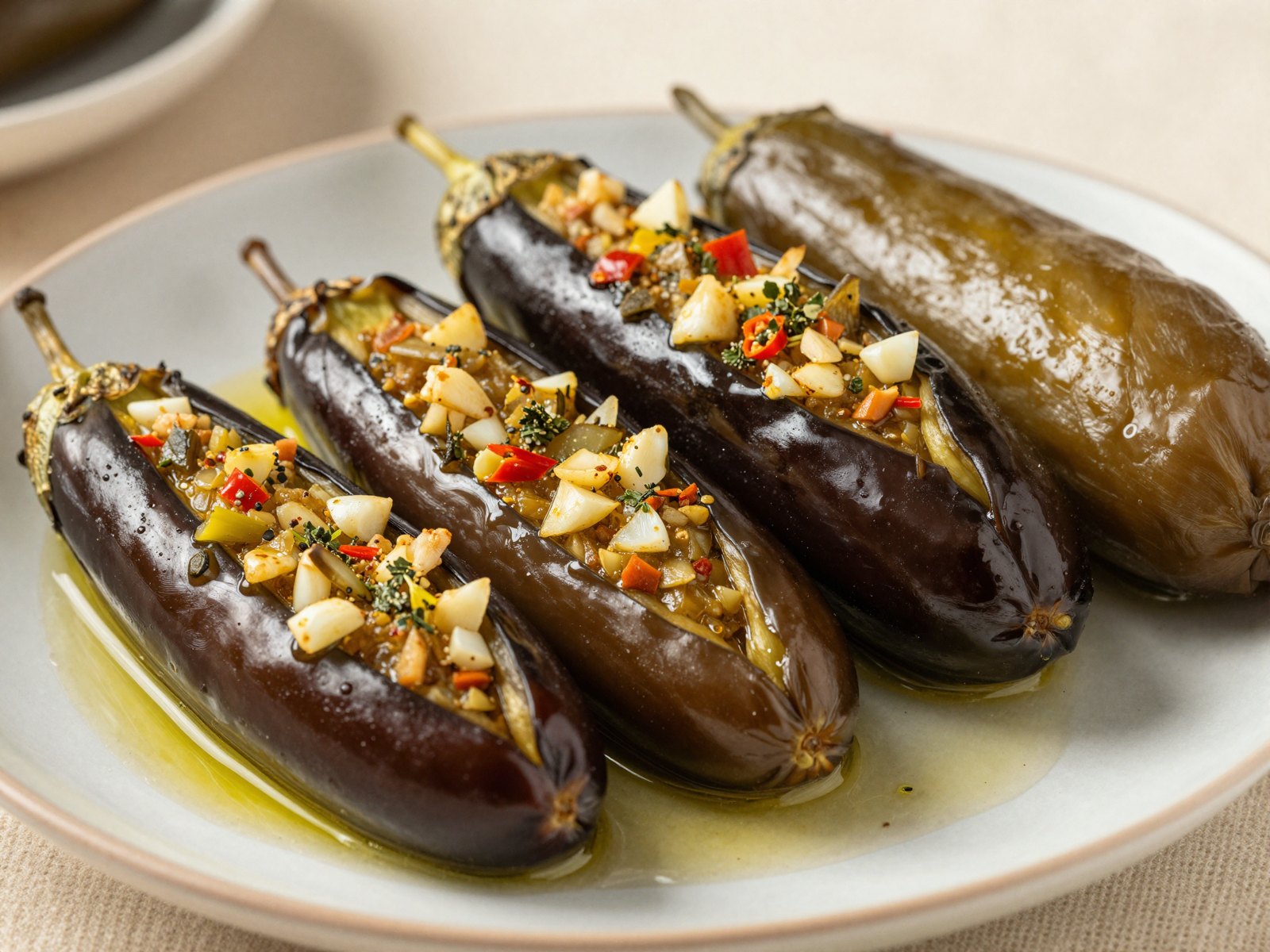
Egyptian Pickled Stuffed Eggplant
How to make Egyptian Pickled Stuffed Eggplant: Egyptian-style pickled baby eggplants stuffed with a garlicky herb, pepper and spice filling.
Read Recipe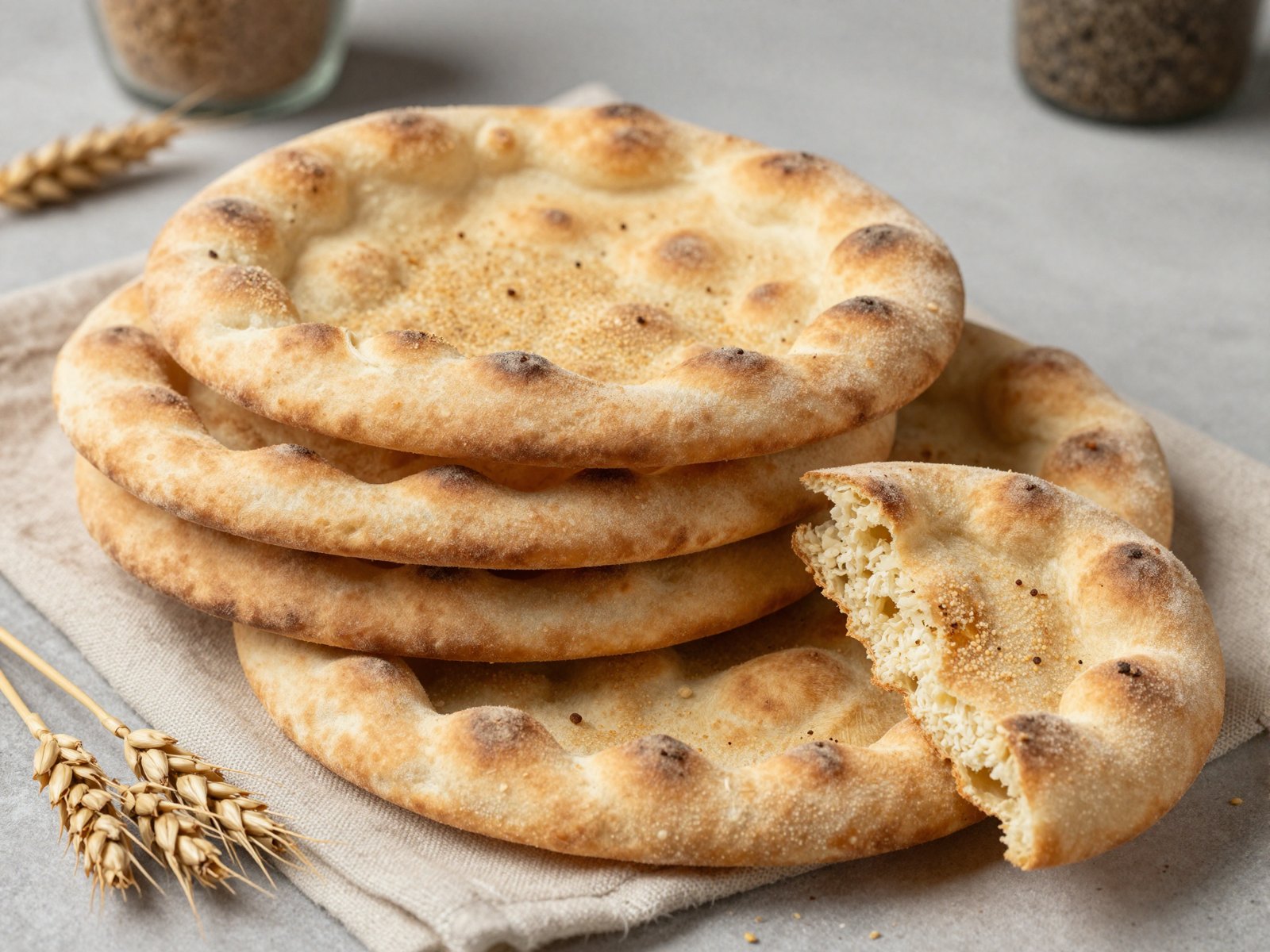
Egyptian Baladi Bread
How to make Egyptian Baladi Bread: Soft, pocketed Egyptian baladi bread made from a simple white-and-wholewheat dough that puffs in a hot oven.
Read Recipe